IIAS Leadership Meets Lebanese and Moroccan Delegations in Seoul

Diogo Pereira,

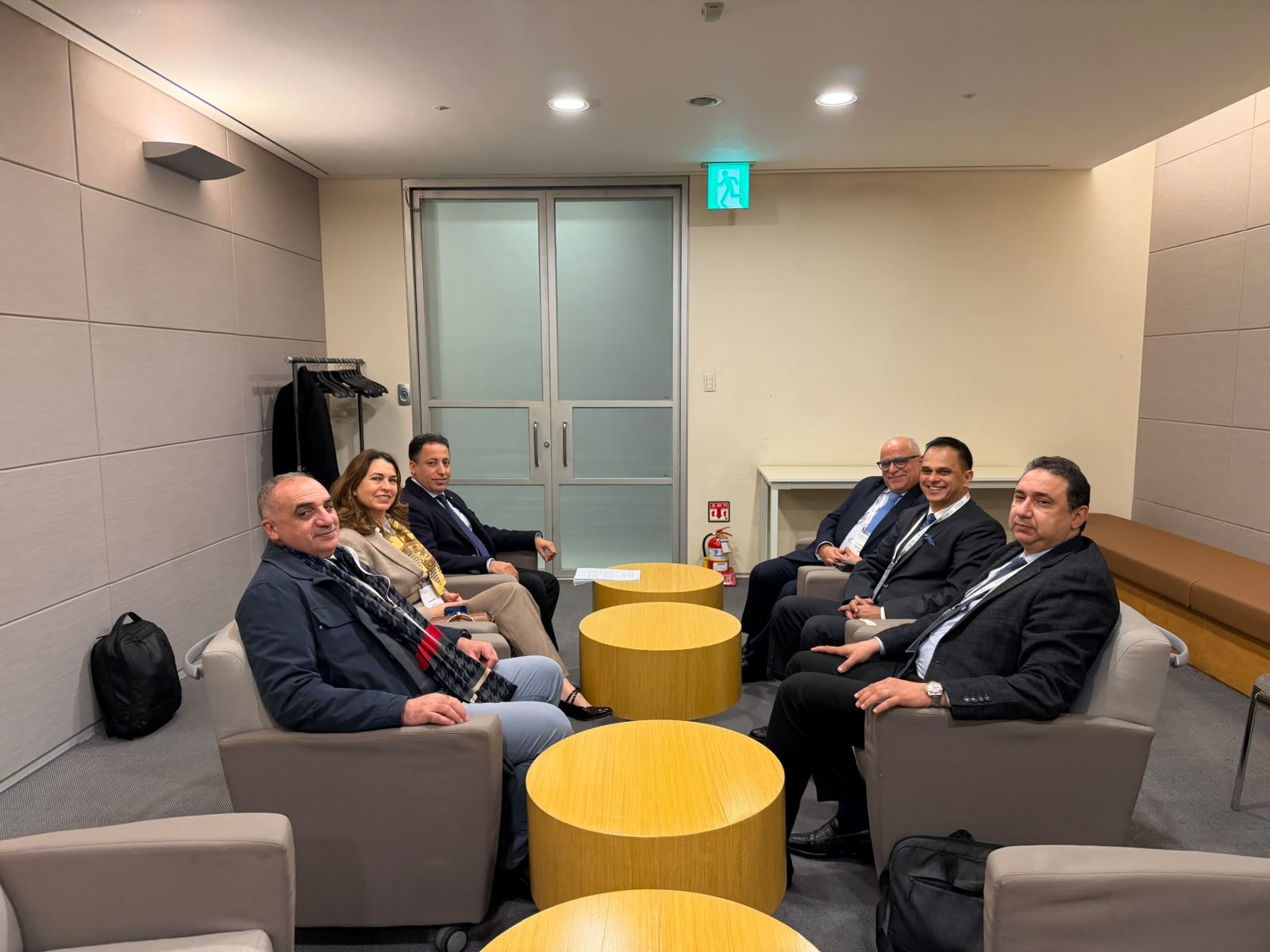
IIAS President Voruganti Srinivas met with Lebanon’s Minister for Administrative Reforms, H.E. Dr Fadi Makki, and with a delegation from Morocco’s École Nationale Supérieure de l’Administration (ENSA) on 18 November 2026, during the IIAS 2026 Conference in Seoul. IIAS Director General Dr Sofiane Sahraoui and Dr Younes Abouyoub, Head of Governance, State-Building and Conflict Prevention, United Nations, also took part in the discussions.

The meeting with Minister Makki focused on the next generation of administrative reforms in Lebanon. The discussion covered Vision Lebanon@2030, organisational reforms, the restructuring of government and ways to reduce compliance burdens. President Srinivas described the discussions as cordial and constructive.

The meeting with the Moroccan delegation focused on Morocco’s hosting of the 2028 Conference of the International Association of Schools and Institutes of Administration (IASIA). The delegation was led by Dr Nada Biaz, Director General of ENSA, and included Rabii Leouifoudi, the school’s Director of Research, Studies and International Cooperation.

Resources

IIAS President Voruganti Srinivas met with Lebanon’s Minister for Administrative Reforms, H.E. Dr Fadi Makki, and with a delegation from Morocco’s École Nationale Supérieure de l’Administration (ENSA) on 18 November 2026, during the IIAS 2026 Conference in Seoul. IIAS Director General Dr Sofiane Sahraoui and Dr Younes Abouyoub, Head of Governance, State-Building and Conflict Prevention, United Nations, also took part in the discussions.

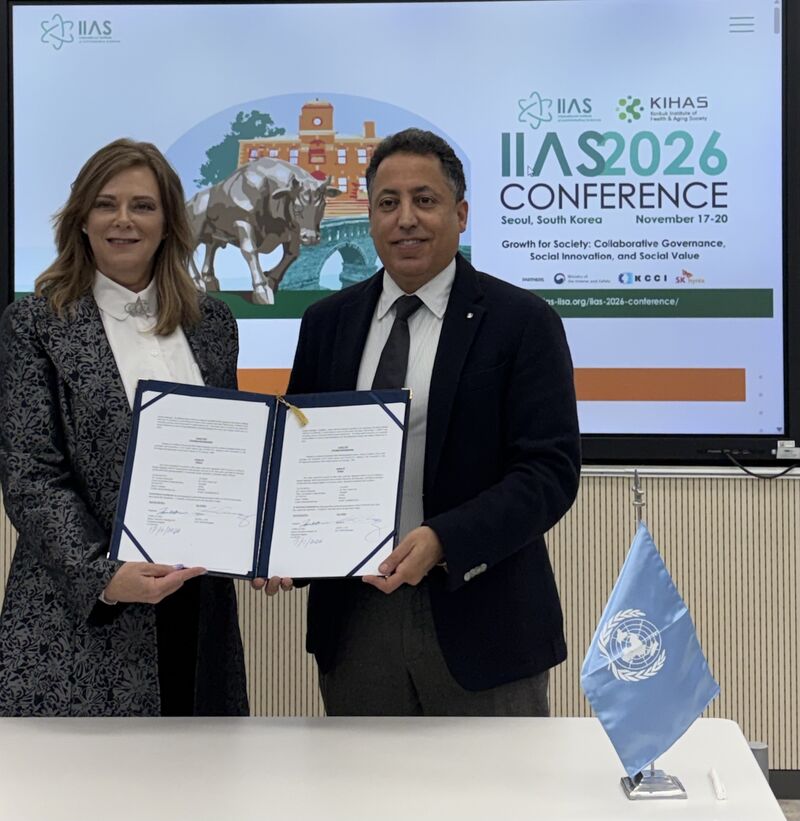
The International Association of Schools and Institutes of Administration (IASIA) and the United Nations Economic and Social Commission for Western Asia (UN-ESCWA) signed a Memorandum of Understanding on 17 November 2026 during the IIAS 2026 Conference in Seoul.

Public administration and management research has long drawn most of its ideas from Western, industrialised democracies. Yet Asia and the Global South have become major sites of administrative change, with large-scale reforms, fast-moving technology and some of the most inventive experiments in governance. Research from these regions has grown accordingly, but it is still often used to illustrate or apply theories made elsewhere, rather than to produce new ones.

This special issue of Public Management Review aims to change that. It invites authors to treat practice in Asia and the Global South as a starting point for theory: to test, question or extend established approaches, and to propose new concepts and explanations. It does not look for a single theory of these regions, which are far too diverse for that, but for context-sensitive contributions that also say something useful for policy and practice.

Modify cookies