Dear EGPA Community,
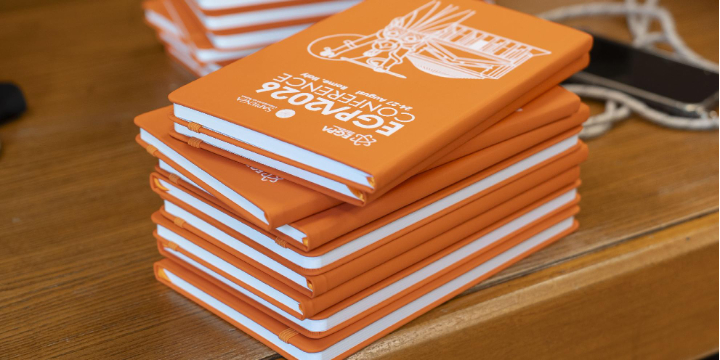
As the 2026 EGPA Conference in Rome came to a close, I feel deeply grateful and inspired by the energy, openness, and strength of our community.
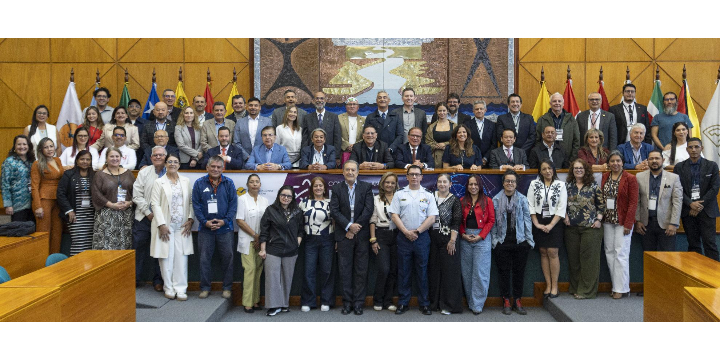
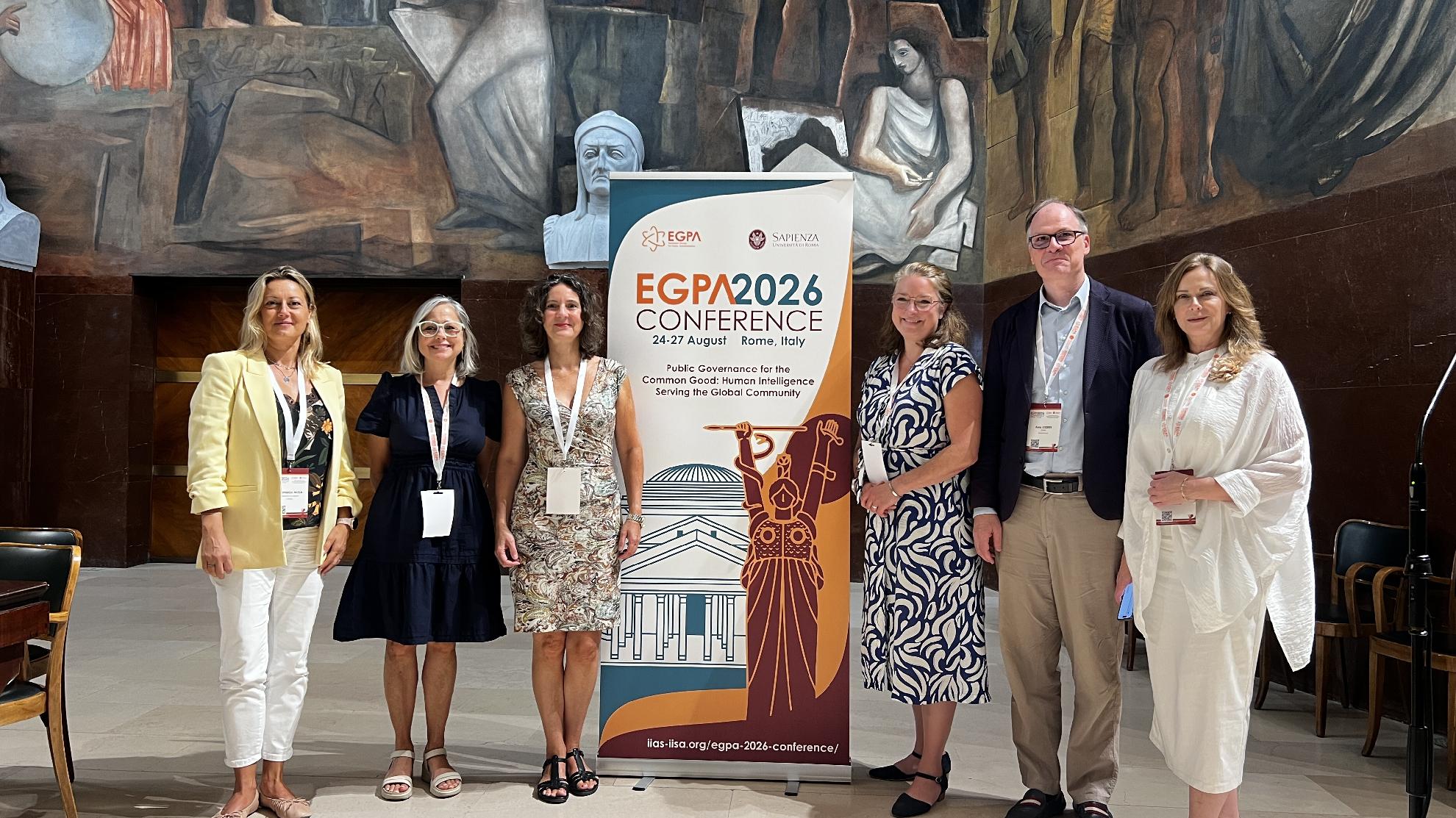
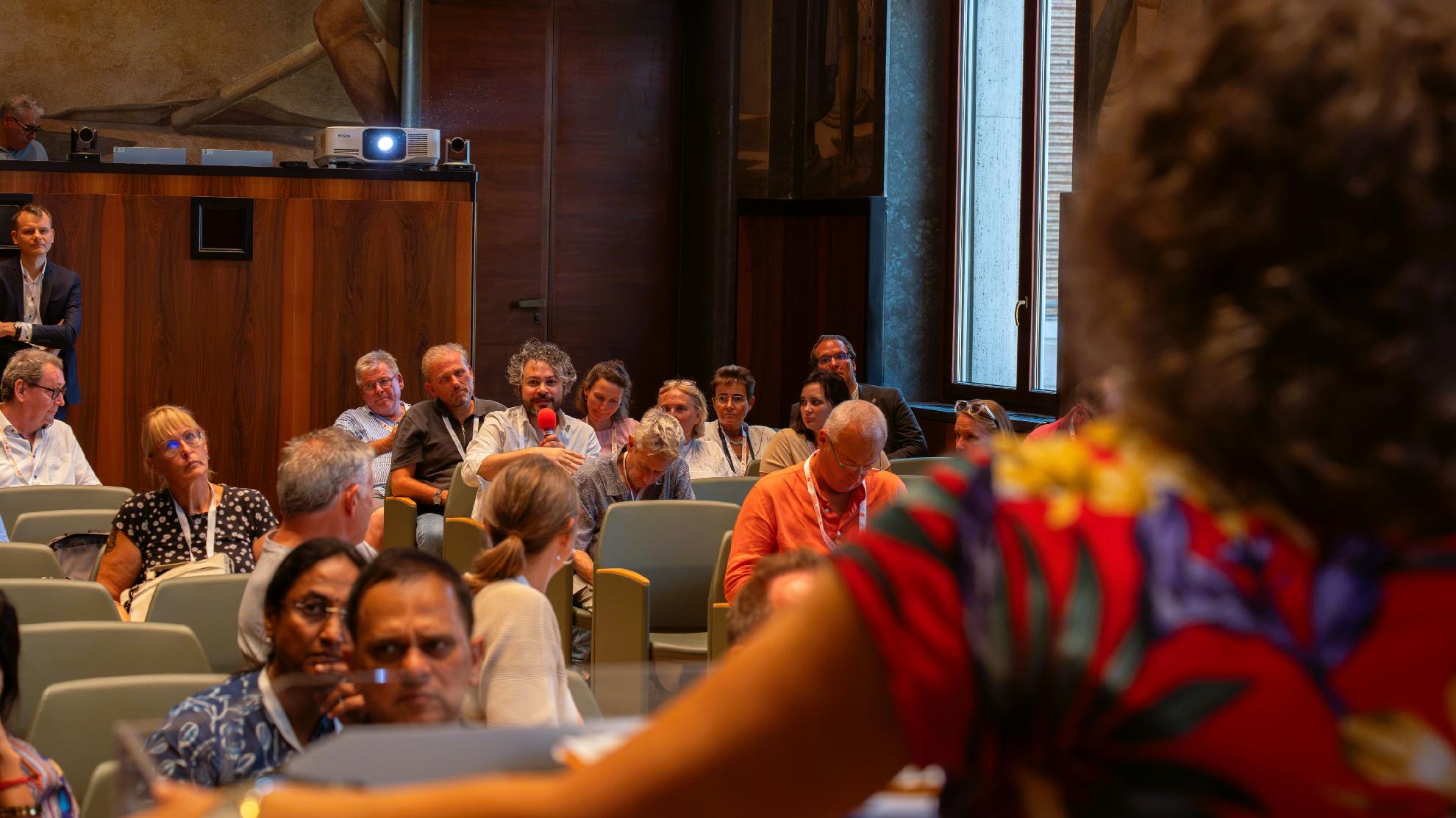
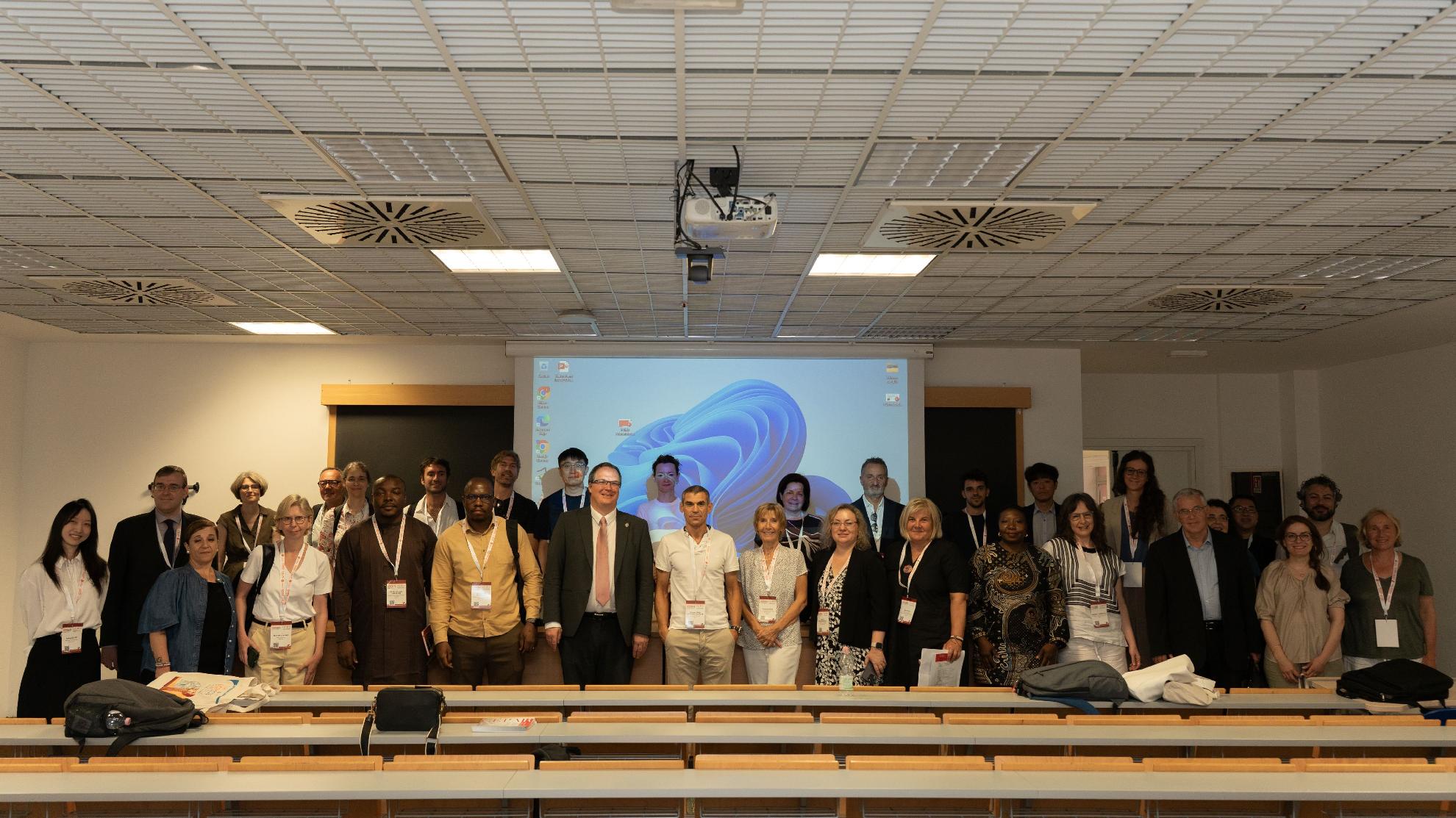
620 colleagues from 60 countries, representing more than 300 research institutions worldwide, came together at Sapienza Università di Roma across some 30 tracks to exchange ideas, challenge established thinking and explore how public administration can respond to a world undergoing profound technological, social and political change.
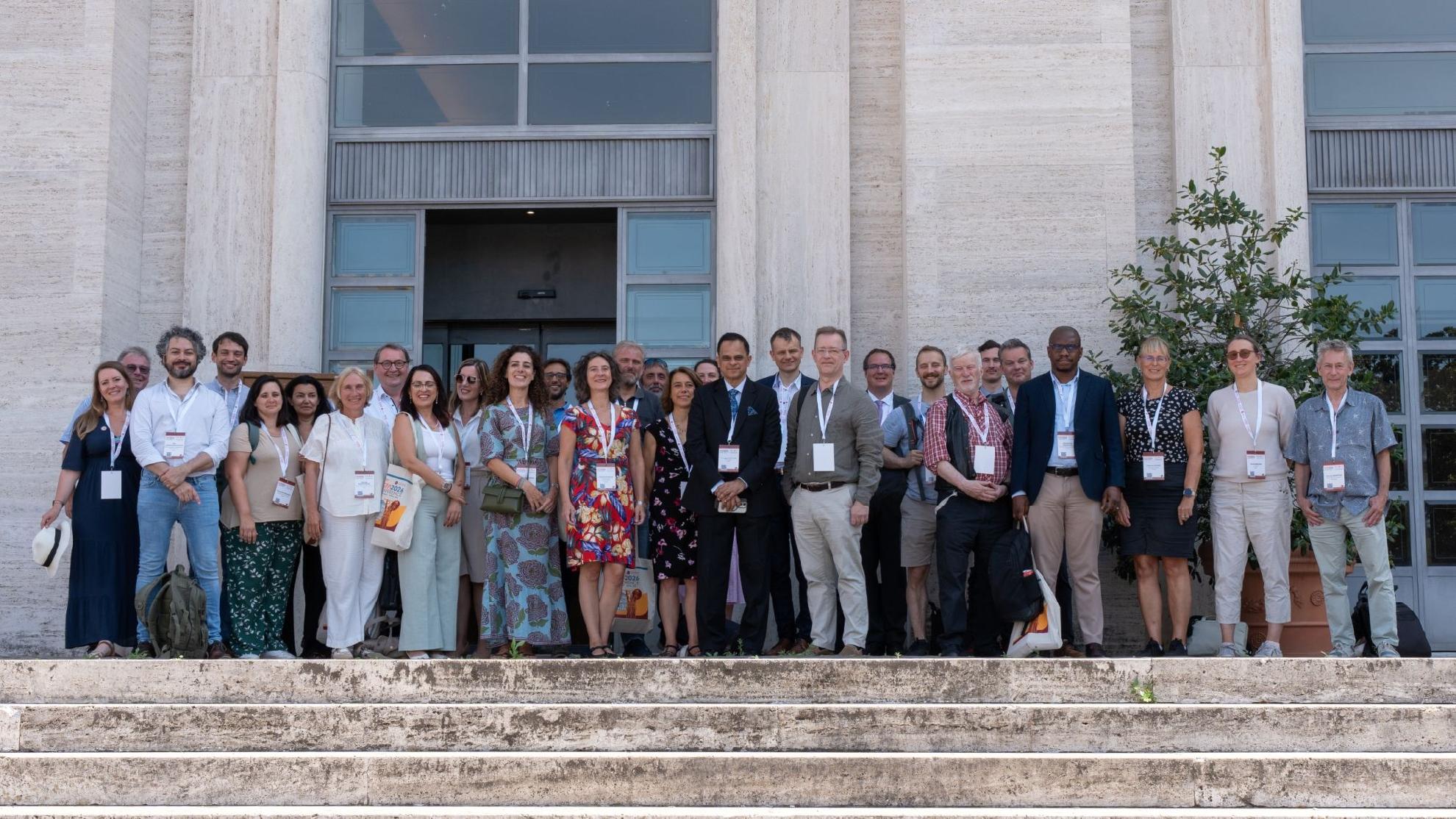
Five messages stood out in Rome. First, public administration is moving from a narrow focus on efficiency towards capacity, resilience and public value. Second, digital transformation and AI are no longer simply technological issues, but questions of institutional design, rights and professional judgement. Third, democracy and administration are inseparable: professional, impartial and rule-based administration is itself a democratic institution. Fourth, complex challenges require collaboration across levels and sectors, but collaboration also needs clear governance and accountability. Finally, the future of public administration remains deeply human: ethics, learning, leadership and dialogue will become more important, not less, in an increasingly complex world.
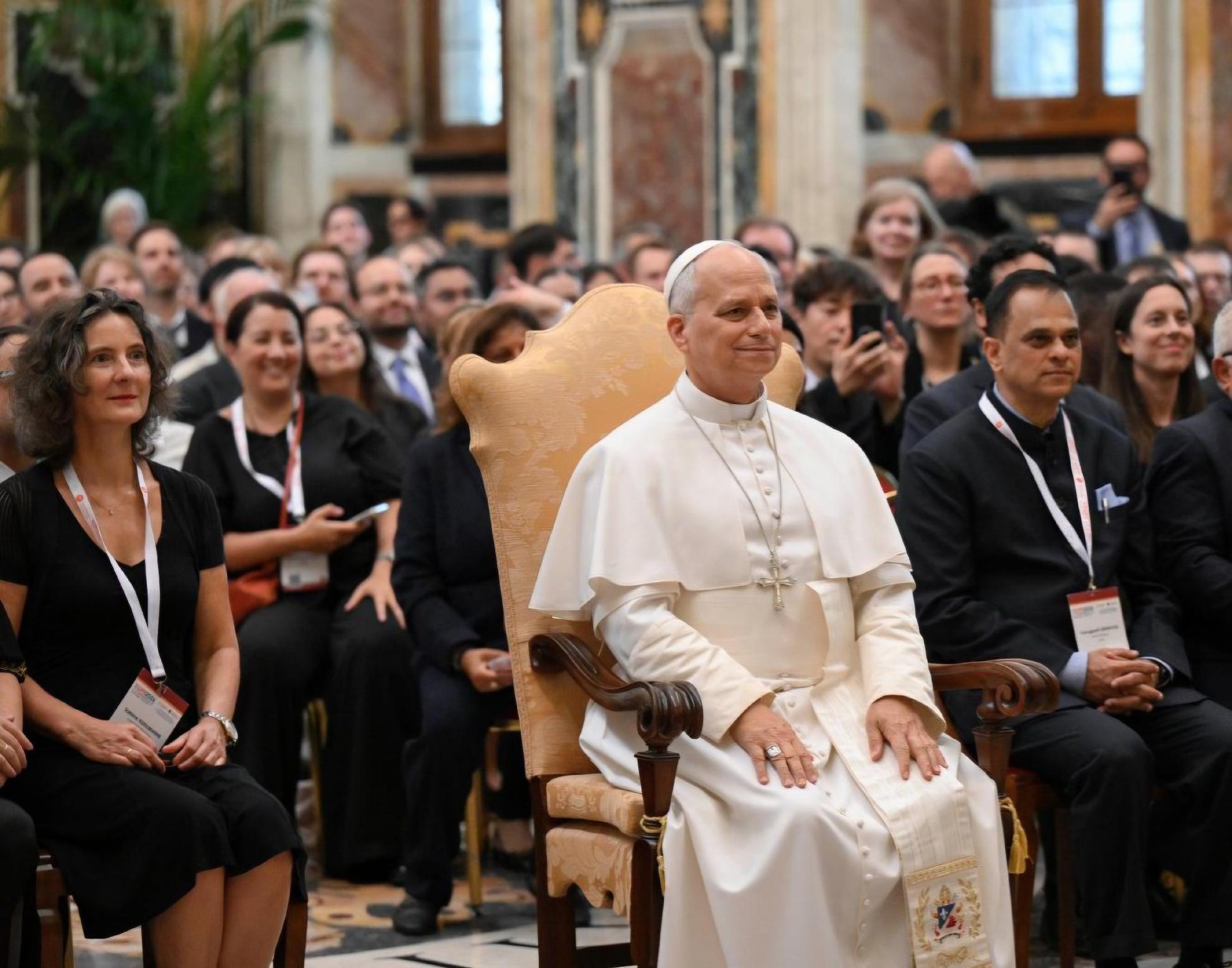
In Rome, we were deeply honoured by the presence of Pope Leo XIV, whose reflections on human dignity, responsibility and solidarity offered a particularly meaningful perspective at a time when AI and algorithms are increasingly shaping our societies and public lives. We are deeply grateful for the unique opportunity to meet him in person during the private audience. This memorable encounter reminded us that, alongside technological progress, our commitment to human values must remain at the heart of our societies and public administration.
Thank you!
My sincere thanks go to everyone who made this conference possible: our outstanding Rome team and Sapienza Università di Roma, and in particular our Local Chairwoman, Noemi Rossi; our EGPA Vice Presidents, Marco Meneguzzo and Reto Steiner; all Chairs and Co-Chairs, presenters, discussants and reviewers; the EGPA Steering Committee; and our partners at IIAS, especially President Voruganti Srinivas. A special thank you also goes to our dedicated Secretariat team, especially Dmytro Panchuk and Kimberley Atheba - for their tremendous work behind the scenes.
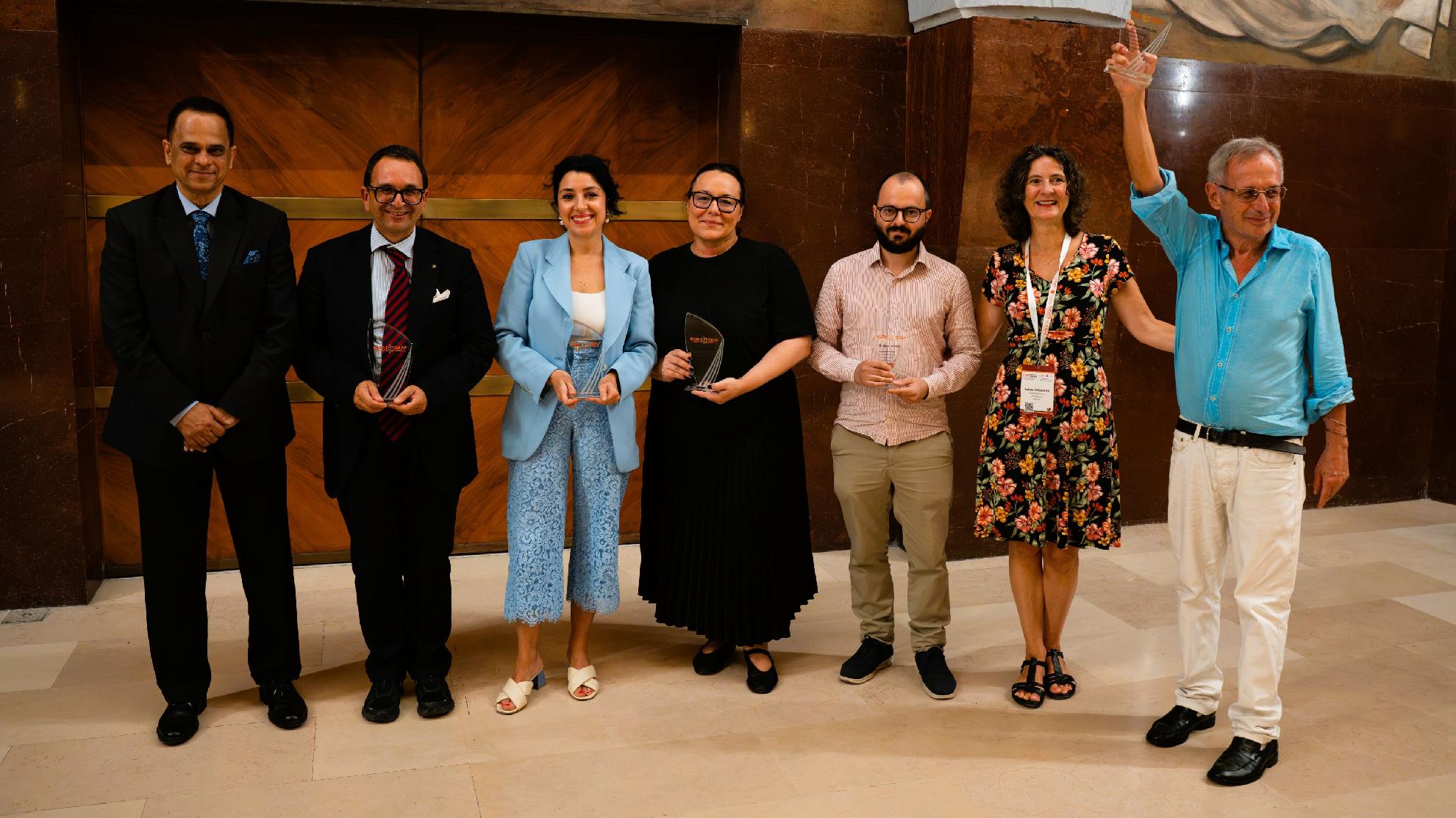
And, above all, thank you to every member of the EGPA community who contributed with ideas, questions, openness and curiosity. It is this spirit of exchange and engagement that makes EGPA such a vibrant and inspiring community.
Looking ahead
There is no time to rest for long. Rome may be over, but the conversation certainly is not. We are already preparing for:
We look forward to your participation in these activities.
Keeping EGPA connected
Rome may be over, but the conversation certainly is not. We consider it very important for the Groups to meet between conferences and maintain interaction with their members (e.g. webinars, informal catch-up meetings, paper preparatory workshops, authors workshops etc.). We would like to support and promote these activities.
Calls for tracks and papers as well as the criteria for transforming Ad Hoc Groups (AHGs) or Specialized Panels into Permanent Study Groups (PSGs) will be published shortly on the EGPA webpage and LinkedIn.
We are also planning an online Chairpersons’ Debrief in autumn to reflect on the conference and gather feedback for 2027. More details will follow shortly. We hope that as many of the chairs as possible will participate and provide us with feedback on the conference organization and other EGPA-related issues, which we would be happy to take into account for 2027. Please feel free to contact me personally or Dmytro Panchuk at the Secretariat, so we can assist you in this regard.
If you are not yet an EGPA member, I warmly invite you to join EGPA here. Membership offers opportunities to stay connected throughout the year, engage in our Groups and activities, and contribute to shaping the future of our community. More information on EGPA / IIAS membership benefits can be found here.
The conversation continues - across our Groups and activities throughout the year, and in Lisbon, New Orleans and Budapest in 2027. I look forward to continuing it with all of you.
Thank you for making EGPA 2026 such a memorable conference.
Prof. Sabine Kuhlmann,
President of the European Group for Public Administration